

13 Popular and Traditional Japanese Candies That Make Perfect Souvenirs
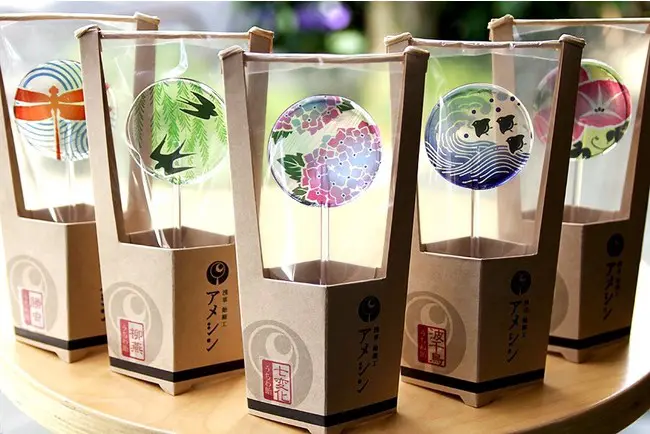
Japan boasts many candies with long histories that have evolved into the exquisite treats they are today. Keep reading to discover the delightful world of Japanese candies, from traditional artisanal treats to modern favorites, and get to know where to find them during your trip to Japan.
Contents
3 traditional Japanese candies
The history of candy consumption in Japan dates back to the 8th century, according to historical records. By the 17th century, however, commercial prosperity made sugar more accessible to the public, leading to the development of the amezaiku (candy craft) industry. This craft showcases the skill and creativity of Japanese artisans by creating intricate and three-dimensional shapes before the candy syrup cools and hardens. Here are three long-established candy shops and their most popular products.
Ryokujuan Shimizu: Colorful konpeito sugar candies

Konpeito, a sugar candy introduced to Japan by Portuguese missionaries in the 16th century, derives its name from the Portuguese word "confeito." Its creation lacks a fixed recipe, with factors like climate and syrup concentration affecting the outcome, requiring artisans to use their senses. Mastering konpeito-making is said to take 20 years.
Ryokujuan Shimizu (in Japanese only,) founded in Kyoto in 1847, has preserved traditional techniques while innovating with new flavors. It is Japan's only specialty konpeito store, with locations in both Kyoto and Tokyo’s Ginza area.
Eitaro Sohonpo: Triangular aruheito candies
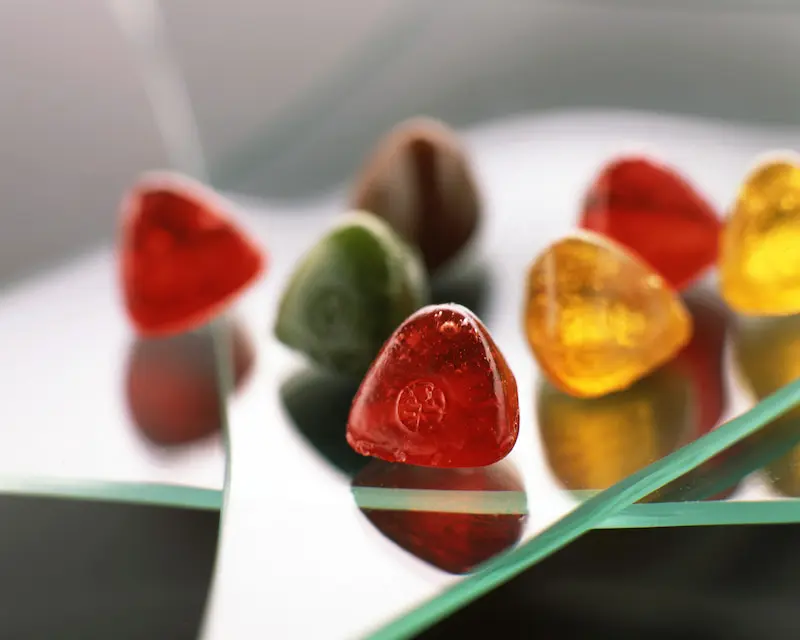
Aruheito candy, also introduced from Portugal, is made from a mixture of sugar and maltose. The renowned store Eitaro Sohonpo has been selling various candies for over 200 years. They created a more accessible version of aruheito called umeboshi-ame, a triangular candy named for its resemblance to dried plums. Over time, they developed more flavors, making it a popular Tokyo souvenir.
In modern times, Eitaro Sohonpo combines traditional artisan techniques with automated processes and has introduced many innovative brands and products like candies and cookies. Make sure to visit their flagship store in Nihonbashi if you're heading to Tokyo.
Asakusa Amezaiku Ameshin: Beautiful fan-shaped candies
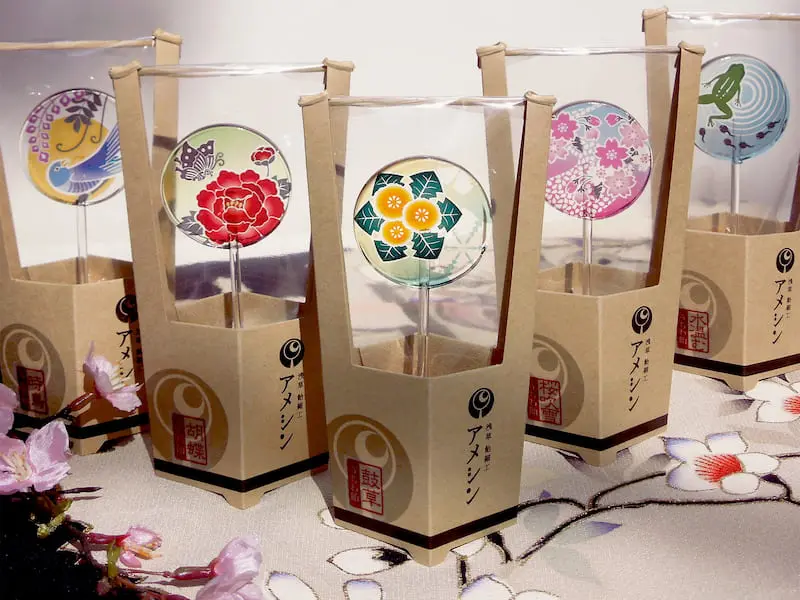
Amezaiku is a traditional Japanese art of candy crafting where artisans shape 90-degree Celsius sugar into various animals like cranes and goldfish within minutes. At Asakusa Amezaiku Ameshin located inside Tokyo Skytree Town, you can watch the crafting process and purchase exquisite amezaiku candies. Don't miss the delicate uchiwa-ame, a fan-shaped candy featuring beautiful seasonal Japanese motifs which make for perfect souvenirs.
5 Popular Japanese candies
For convenient candy shopping in Japan, look no further than convenience stores, drugstores, and supermarkets, which offer a wide range of options, including limited-time, seasonal, and classic favorites.
Looking for more souvenirs to bring back from Japan? Head to WAmazing Shop and choose from a wide range of tax-free products.
Pineapple candy

Pineapple Candy stands out on supermarket shelves with its yellow and vintage packaging. This candy has been a bestseller for over 70 years. In post-war Japan, pineapple was a luxury item due to its high cost. The founder of the Pineapple Company created this treat so everyone could taste pineapple, using a ring-shaped design that resembles slices of canned pineapple.
Fujiya Milky candy

Fujiya, originally known for cakes, captured the hearts of the Japanese people in 1951 with their Fujiya Milky candies. Apart from the original flavor, they also release seasonal limited editions like amaou strawberry and Uji matcha. The packaging features Peko-chan, an adorable smiling girl whose expressions and outfits change according to the limited-edition flavors.
Later on, Fujiya also introduced Katchkochi Milky, the hard candy versions of their signature Milky candies, so if you want to taste different textures, these are a must-try.
UHA Mikakuto candies

UHA Mikakuto, renowned for its milk candies, offers a "Special Rich" series featuring Hokkaido dairy and Madagascar vanilla in its "Tokuno (Special Rich) Milk," Kumamoto strawberry puree in its "Tokuno Strawberry," and there’s also the sweet-salty "Tokuno Salt."
Their "Local Premium" candy series, highlighting flavors from different prefectures, such as Tochigi strawberry, Fukushima peach, and Hokkaido Furano melon, are also popular. Be sure to check them out at convenience stores or supermarkets.
Kanro candies

Kanro candies have been a favorite among locals for over 60 years. The secret of their recipe is a touch of soy sauce, which enhances the sweetness with a delightful aftertaste, making them versatile even for cooking. Kanro offers a variety of popular products, including Premium Milk Candies and the sparkling Kanro Clear Ore Drop that resembles jewels.
Otoko Ume sour plum candies

The Otoko Ume series, literally translating to "Men Plum," captures the chewy and rich flavor of umeboshi (pickled plums.) Its lineup includes Otoko Ume hard candies, gummies, sheet candies, and dried whole umeboshi. Each bite comes with a salty, sour, and sweet sensation, making it irresistible to reach for another.
5 best Japanese candy souvenirs
When searching for the perfect souvenir, few things can melt hearts like a box of exquisite and adorable candies. From their packaging to their flavors, read on for five Japanese candies that are perfect for gifting to family, friends, or colleagues.
Hitotubu Kanro

Kanro's sub-brand Hitotubu (in Japanese only) is renowned for its pastel-colored candies, including its bestselling Gummitzel, a soft gummy shaped like a pretzel. The gummy itself features a crisp outer shell and a moist, gooey center, delivering a unique texture that has become highly sought after.
Ame-chan Fukuro pocket candies

Kanro is also popular for its seasonal limited edition varieties. Currently available at the Gransta Tokyo store on the first basement floor of Tokyo Station and the Harajuku store, you can find Ame-chan Fukuro pocket candies wrapped in beautiful string bags adorned with vibrant, Japanese-inspired patterns. These come in three adorable packaging designs and flavors, making them perfect souvenirs.
Ameya Eitaro

Ameya Eitaro (in Japanese only) is a new sub-brand of the century-old store Eitaro Sohonpo. Their Sweet Lip candy originated in the Edo period (1603-1868) when geisha or kabuki actors used Eitaro's plum candy on their lips before applying lipstick, reportedly making their lips more moisturized and shiny. It is currently available at Isetan Shinjuku and Mitsukoshi Ginza department stores.
Crochet
Crochet (in Japanese only) combines Kyoto's traditional candies with the latest sugar crafting techniques, aiming to create a new era of candy enjoyment that encapsulates Kyoto's millennium-old culture in every bite. Among the most popular are the "White Silk Temari" candies inspired by the traditional Japanese toy temari ball, available in flavors like lemon-lime and matcha. They also offer seasonal limited editions that vary throughout the year. Currently, you can find these candies at four stores across Kyoto.
Amer
Amer (in Japanese only) is a specialty store that offers lollipops and candies adorned with whimsical themed designs. In spring 2024, they launched pink canned candies featuring adorable shapes like cherry blossoms, Mount Fuji, manekineko lucky cats, sumo wrestlers, and daruma tumbling dolls, encapsulating the essence of Japan in a jar. If you're visiting Tokyo, be sure to visit their store in Shibuya and bring these adorable candies home.
Daimoji Ame Honpo

Founded in 1911, Kyoto's traditional candy shop Daimoji Ame Honpo is dedicated to creating candies using natural ingredients. Popular classic products include Uji tea candy, sesame-ginger candy, and the nostalgic Kikko malt candy. The Daimoji candy reflects the shop's name and features colorful candies with motifs representing summer in Kyoto, notably symbols from the "Gozan no Okuribi" festival.
Discover Japanese candies

Japanese candies showcase a blend of tradition and innovation through their unique shapes and flavors, making them the perfect treat for yourself or as heartfelt souvenirs.
Explore Japan by using one of the many different transportation passes.
*The information in this article, such as prices and business hours, was accurate at the time of publication but is subject to change. Please refer to the official website(s) for the latest information.
More Shopping


Tags
Area Tags
Related Articles


Featured Articles